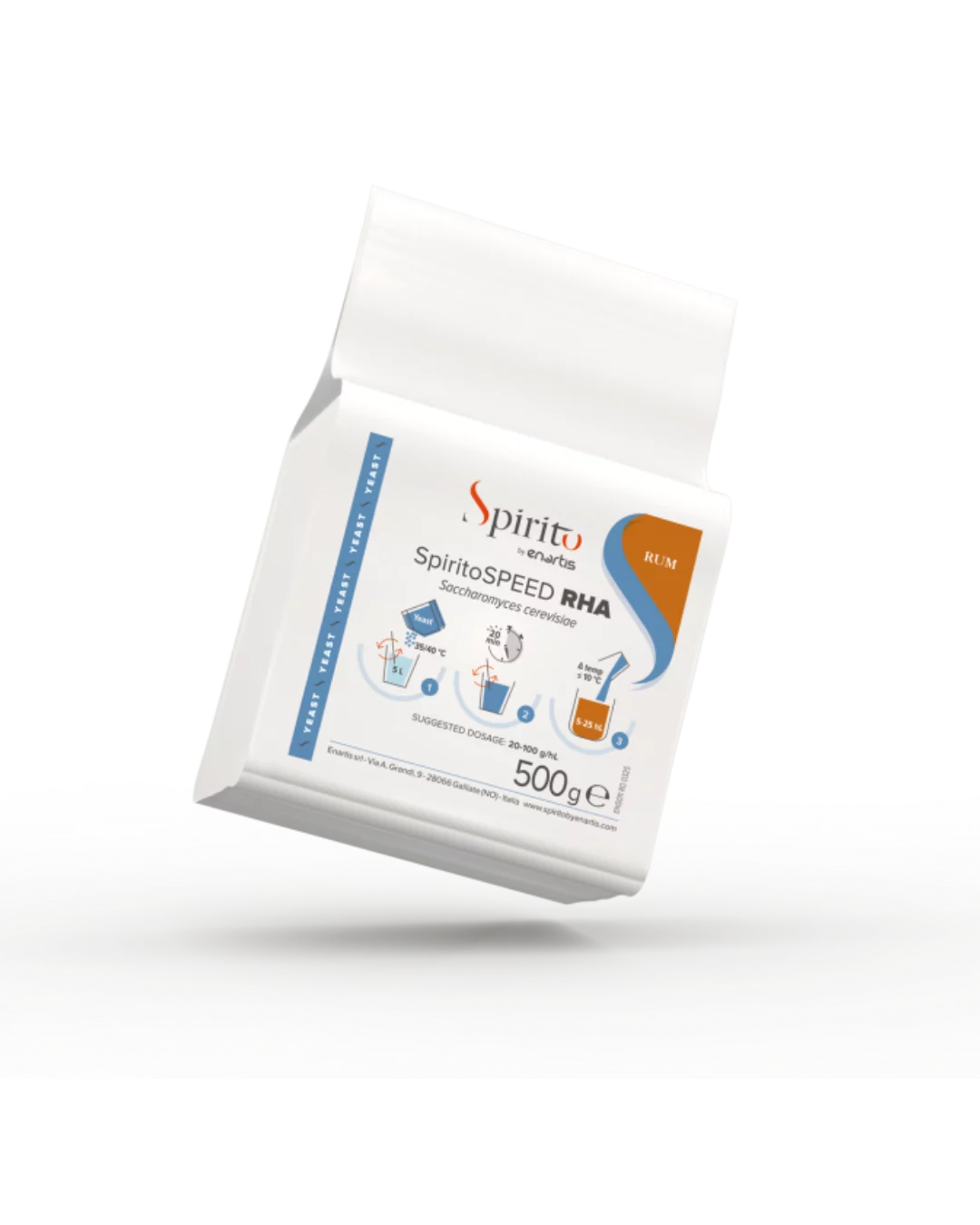
FROM SELECTION TO APPLICATION OF A NATIVE YEAST IN RHUM PRODUCTION
In the world of rum, and particularly of rhum agricole, tradition and innovation are no longer separate paths. The project we carried out in Guadeloupe is a clear example of this: by combining scientific research with a strong terroir-driven approach, we were able to significantly improve the quality of the final distillate.

The objective was straightforward: to select an indigenous yeast strain—a Saccharomyces cerevisiae later developed into SpiritoSPEED RHA—and bring it from laboratory isolation to industrial-scale application. The goal was to identify a strain capable of thriving under the typical conditions of tropical fermentations, which are often conducted outdoors and without temperature control.
These conditions are far from easy. High temperatures place considerable stress on yeast metabolism, while exposure to the environment increases the risk of microbial contamination. At the same time, although reliable, conventional commercial yeasts do not always allow for the full expression of local terroir.
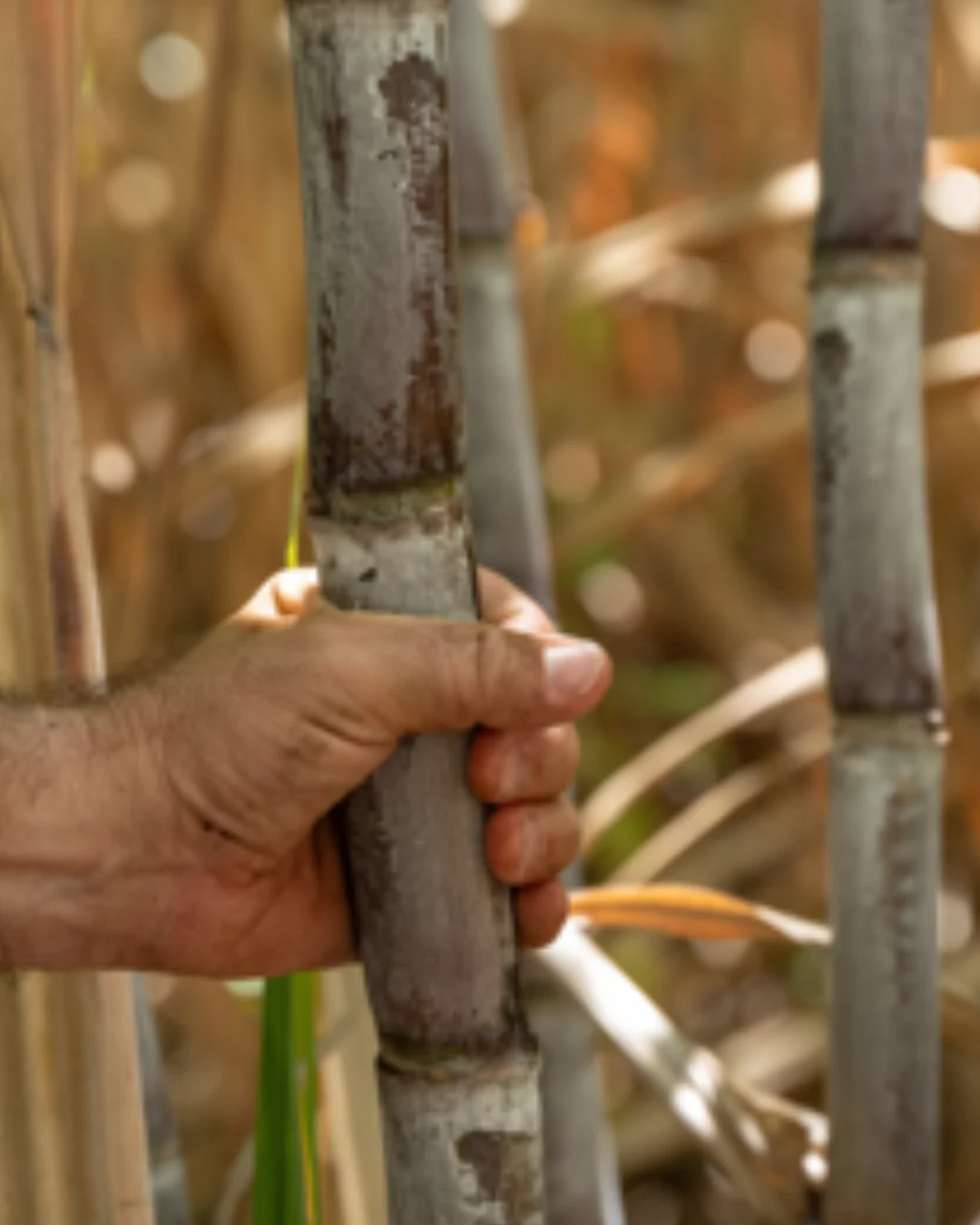
The answer came directly from the raw material itself. We isolated yeast strains from organically grown, hand-harvested Canne Bleue sugarcane, selecting microorganisms already adapted to the production environment and naturally capable of expressing its unique identity.
The research was conducted within CERM, the program dedicated to excellence in innovation, research, and the development of biotechnological solutions. Here, genetic analysis, yeast selection, and biotechnology expertise come together to develop tailor-made solutions for the spirits industry, spanning the entire production chain—from raw material characterization and fermentation optimization to the development of high-performance yeasts and nutrients.
Once isolated, the different strains underwent an extensive selection and characterization process. Laboratory trials and micro-fermentations evaluated the parameters that matter most: fermentation kinetics, resistance to high temperatures, and the ability to compete with contaminating microbiota. All tests were performed under conditions designed to reproduce the stress typically encountered in distilleries: 160 g/L initial sugar concentration, 35°C, and pH 4.5. One of the most remarkable traits observed was the yeast’s ability to rapidly acidify the medium, lowering the pH and creating an environment less favorable to unwanted microorganisms.
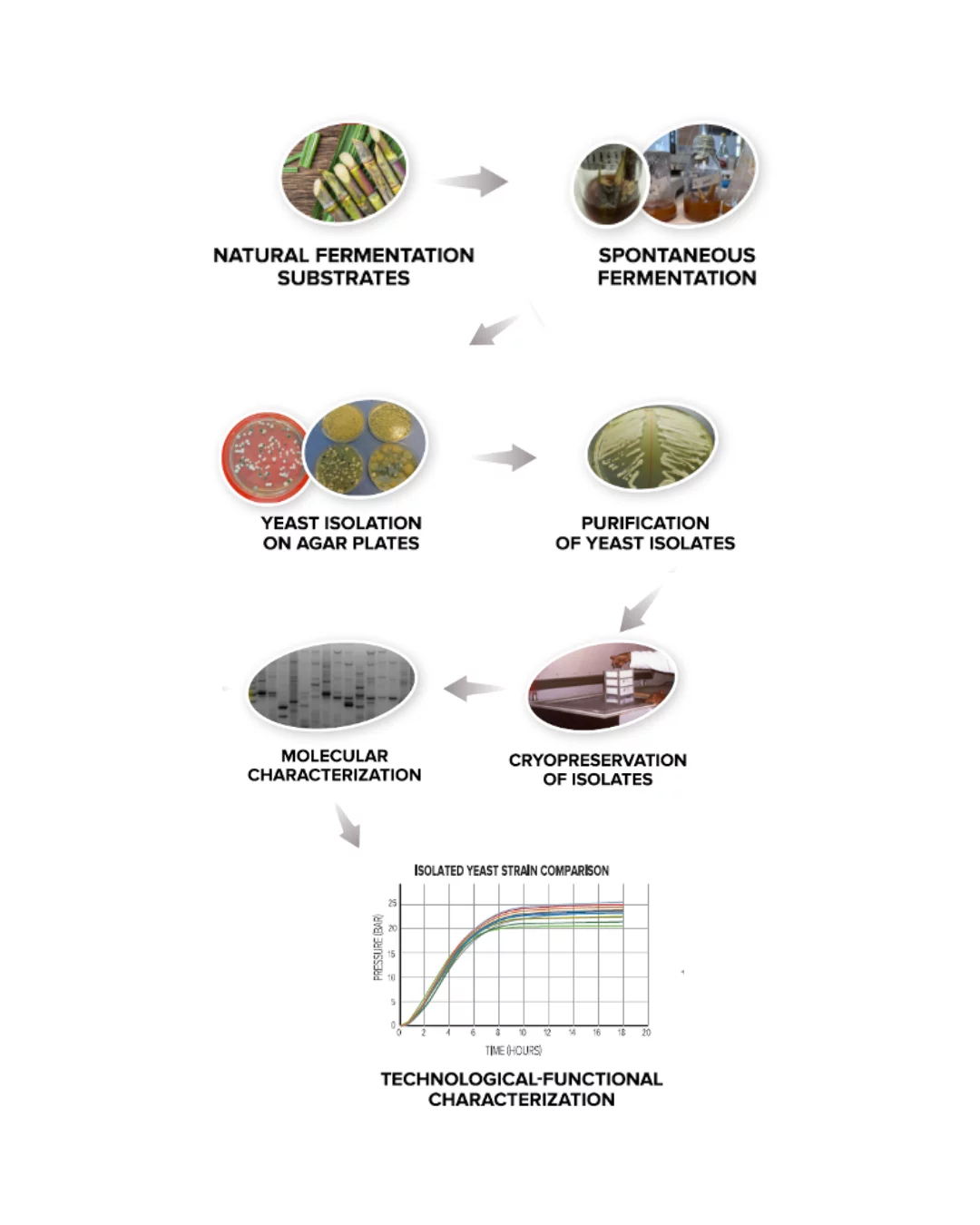
Among all the strains evaluated, SpiritoSPEED RHA (strain 6) clearly stood out for its robustness and performance. It delivered complete and efficient fermentations even at elevated temperatures, helped control contamination through rapid acidification, and, most importantly, produced a rich concentration of ethyl esters—the compounds responsible for floral and fruity aromas that contribute significantly to the complexity of the final distillate
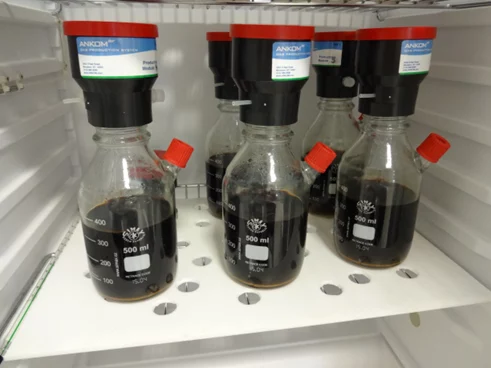
The transition from research to practice took place at industrial scale at Domaine Bel’Air Distillery, where the yeast confirmed the results observed during the experimental phase. Fermentations proved stable and reproducible even under uncontrolled environmental conditions, demonstrating the strain’s reliability in real production settings.
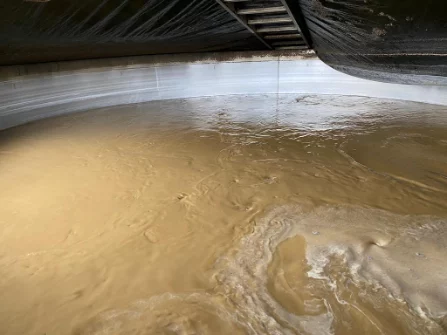
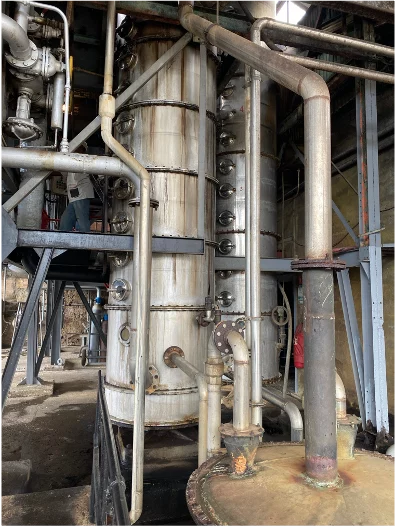
The Guadeloupe case study demonstrates a simple but important concept: yeast selection affects not only fermentation efficiency but also the very identity of the distillate. Choosing an indigenous strain adapted to local conditions and selected through a rigorous scientific approach, such as SpiritoSPEED RHA, means moving beyond standardized solutions and embracing a production model where technological performance, authenticity, and sustainability go hand in hand.